
Understanding How Wireless Internet Works
- Apr 6
- 5 min read
When you think about wireless internet, you might picture a magical invisible connection that just appears whenever you need it. But there’s a lot more going on behind the scenes. I want to take you on a simple, friendly journey to understand how wireless internet works, especially for those living in rural Texas communities where reliable internet can be a game-changer.
Wireless internet connects you to the world without the need for cables running into your home. It’s the technology that lets you stream your favorite shows, work from home, or chat with friends and family, all without being tethered to a desk. Let’s break down how this technology works and why it’s so important for communities that often get overlooked.
How Wireless Internet Works: The Basics
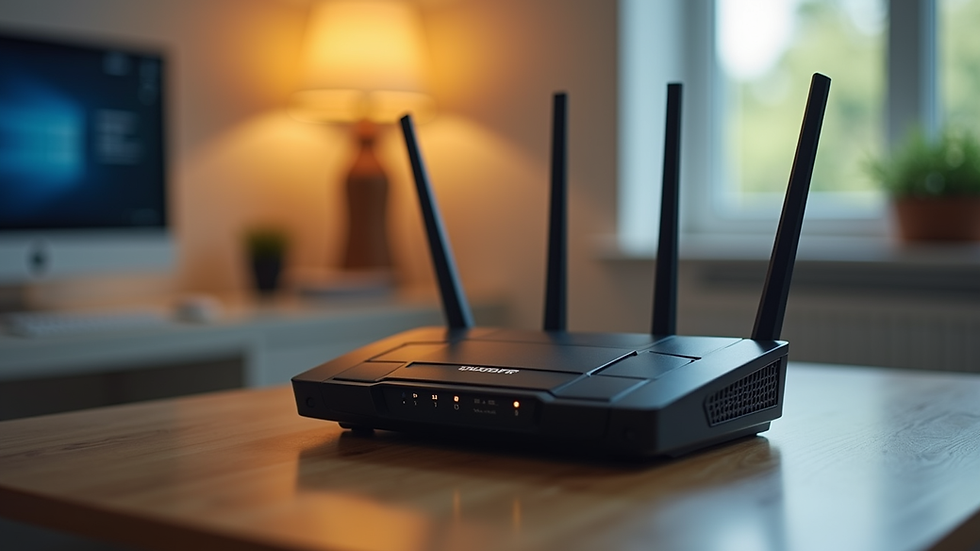
Wireless internet works by sending data through radio waves instead of wires. Think of it like a conversation happening through the air. Your device, like a smartphone or laptop, talks to a nearby wireless router or tower using these radio waves. The router or tower then connects to the internet through a wired connection or satellite link.
Here’s a simple step-by-step of what happens when you connect to wireless internet:
Your device sends a request to connect to the internet.
The wireless router or tower receives the request and forwards it to the internet service provider (ISP).
The ISP connects to the internet and sends the requested data back to the router or tower.
The router or tower transmits the data wirelessly back to your device.
This process happens in seconds, so you get your web pages, videos, or emails almost instantly.
Wireless internet can come in different forms, such as Wi-Fi, cellular networks (like 4G or 5G), or fixed wireless broadband. Each has its own way of delivering internet, but they all rely on radio waves to send and receive data.
Why Wireless Internet Is Vital for Rural Texas
Living in rural Texas means you might not have access to the same internet options as people in big cities. Traditional wired internet, like cable or fiber, can be expensive and difficult to install in remote areas. That’s where wireless internet shines.
Wireless internet providers can set up towers or use existing infrastructure to beam internet signals over long distances. This means you can get high-speed internet without waiting for cables to be laid down. It’s faster to deploy and often more affordable.
For residents and businesses in rural Texas, this means:
Better access to education through online classes and resources.
Improved healthcare with telemedicine appointments.
More opportunities for local businesses to reach customers online.
Stronger connections with family and friends through video calls and social media.
Wireless internet is not just a convenience; it’s a necessity for growth and connection in these communities.
The Technology Behind Wireless Internet
Let’s dive a little deeper into the technology that makes wireless internet possible. You don’t need to be a tech expert to understand this, and I’ll keep it straightforward.
Radio Waves and Frequencies
Wireless internet uses radio waves, which are a type of electromagnetic wave. These waves travel through the air and carry data between your device and the internet source. Different frequencies are used depending on the type of wireless internet:
2.4 GHz: This frequency covers a larger area but offers slower speeds. It’s common in Wi-Fi networks.
5 GHz: This frequency provides faster speeds but covers a smaller area. It’s also used in Wi-Fi.
Higher frequencies (like millimeter waves): Used in 5G cellular networks, these offer very high speeds but have a shorter range.
Wireless Access Points and Towers
Wireless access points (like your home router) and towers (used by ISPs) send and receive these radio waves. They act like bridges between your device and the internet.
Access points are usually found in homes or businesses.
Towers are placed strategically to cover large areas, especially in rural regions.
Modulation and Data Transmission
To send data over radio waves, the information is converted into signals through a process called modulation. This allows complex data like videos, emails, and websites to be transmitted efficiently.
Security Measures
Wireless internet uses encryption to keep your data safe. When you connect to a secure Wi-Fi network, your information is scrambled so others can’t easily intercept it.

How to Get the Best Wireless Internet Experience
Now that you know how wireless internet works, you might wonder how to make the most of it. Here are some practical tips to help you get reliable, fast internet at home or your business:
Choose the right provider - Look for local providers who understand the unique challenges of rural Texas. They often offer better service and support.
Position your router well - Place your wireless router in a central, open location to maximize coverage.
Use the right frequency - If your router supports both 2.4 GHz and 5 GHz, use 5 GHz for faster speeds when you’re close to the router.
Limit interference - Keep your router away from microwaves, cordless phones, and thick walls that can block signals.
Upgrade your equipment - Older routers might not support the latest wireless standards. Investing in a newer model can improve your connection.
Consider fixed wireless options - If wired internet isn’t available, fixed wireless internet can be a great alternative, especially in rural areas.
Remember, wireless internet technology is always improving. Providers are constantly working to bring faster speeds and better coverage to underserved areas.
What the Future Holds for Wireless Internet in Rural Areas
The future of wireless internet looks bright, especially for rural communities. Advances in technology like 5G and satellite internet are opening new doors.
5G networks promise ultra-fast speeds and low latency, which means smoother video calls and quicker downloads.
Satellite internet is becoming more reliable and affordable, reaching places where even wireless towers can’t.
Innovative local providers are stepping up to fill the gaps left by larger companies, focusing on personalized service and community needs.
For rural Texas, this means more opportunities to connect, grow, and thrive. You don’t have to settle for slow or unreliable internet anymore.
If you want to learn more about how wireless internet can transform your community, check out Zero2 Wireless, a local provider dedicated to bringing high-speed internet to rural Texas.
Taking the Next Step Toward Better Connectivity
Understanding how wireless internet works is the first step toward making informed choices about your internet service. Whether you’re running a business, attending school online, or just streaming your favorite shows, reliable internet is essential.
By choosing the right technology and provider, you can enjoy fast, stable internet that keeps you connected to what matters most. Don’t hesitate to reach out to local experts who know the challenges and opportunities of rural Texas internet.
Wireless internet is more than just a convenience - it’s a bridge to a better future. Let’s embrace it together and unlock the full potential of your community.
Thank you for joining me on this journey to understand wireless internet. I hope you feel more confident about how it works and how it can benefit you. If you have questions or want to share your experience, feel free to reach out!


Understanding the mechanics of wireless internet is quite impressive given how much we rely on connectivity today. The way data travels through the air is a complex and fascinating subject for many. If you are interested in the security of the platforms that power these digital infrastructures, detecting solana scam tokens provides a useful look at how modern blockchain projects are audited. Thanks for the detailed explanation.
A great piece of writing. The topic is explained in a way that feels natural and easy to understand. I came across this by chance and stayed much longer than I originally planned. What stands out here is the focus on helping readers rather than simply repeating common advice. I discovered https://infowomenspace.com/ not long ago and was pleasantly surprised by how practical the content was. It's always a good sign when content leaves you with something useful rather than just taking up your time. In my opinion, more websites should publish content like this. Hope to see more content from you soon.